



E FOR EPILEPSY
AWARENESS |
Know Your Triggers |
ADHERE TO MEDICATION
WHAT IS EPILEPSY?
- Epilepsy is a chronic disorder that causes unprovoked, recurrent seizures#
- A seizure is an a brief burst of abnormal electrical activity in the brain**
Symptoms Of Seizure1,2
Being aware of the symptoms can help you respond quickly and effectively.
They usually start suddenly and may include:

Sudden shifts in mood such as fear, anger, happiness, or panic

Frothing or drooling at the mouth
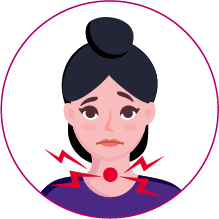
Unusual vocal sounds like grunting or snorting

Involuntary shaking or jerking of arms and legs
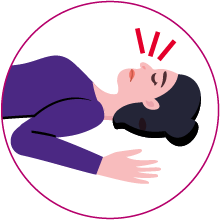
Sudden falling

Clenched jaw

Rapid eye movement or staring blankly
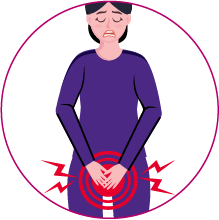
Uncontrolled release of urine or feces
Seizures usually last only a few seconds to a few minutes and often stop on their own.
KNOW THE TRIGGERS OF SEIZURE3

Missing medication

Sleep deprivation

Emotional stress

Heavy physical activity

Fatigue

Fever
KNOW THE DO’S AND DONT’S
FOR PEOPLE WITH EPILEPSY4
DO’S

Take medications exactly as prescribed.

Get good sleep by setting a regular wake-up and bedtime.

Pad sharp corners of tables and other furniture.

Eat a healthy diet.

Be as physically active as possible.

Learn techniques to manage your stress.
DON’TS

Never double your dose or alter it without guidance from your healthcare provider.

Refill your prescription before you run low— don’t wait until you’re out of medication.

Do not work at places that involve heights, heavy machinery, extreme heat, fire, or molten material, or being over water.

Limit caffeine intake and avoid stimulants, alcohol or illegal drugs before bedtime as they can trigger seizures.

Refrain from overheating during exercise.

Do not drive if you’ve been having seizures.
HOW TO MAKE SURE THAT YOU TAKE MEDICINES REGULARLY?

Take medications exactly as prescribed.1

Develop a routine and take your medications at the same time every day.1

Use a medication organizer that separates pills.1

Use an alarm on your watch or phone.1

Be careful about not to letting your prescription run out.1
MESSAGE FOR CAREGIVERS
People with epilepsy usually rely on family or other caregivers to care for them.2 Thus, caregivers play a vital role in the physical and the emotional well-being of a person with epilepsy.3
TO GET MORE INFORMATION ON EPILEPSY CARE
DOWNLOAD THE INFORMATION IN YOUR LANGUAGE
Image & illustrations used is for representation purpose only.
Disclaimer: This material is meant for the awareness and information of patients only and is being distributed by Abbott India Limited (“Abbott”) to healthcare professionals for onward sharing with patients as found suitable by healthcare professionals, for general awareness. The content is based on available scientific references on file. It does not replace or seek to substitute the advice or counsel of healthcare professional. As the information contained herein is for general awareness purposes only, please do not start any medication or exercise regimen without first discussing its suitability for you with your healthcare professional. It does not constitute or imply an endorsement, sponsorship, purchase or recommendation of any kind. Although due care has been taken to ensure the accuracy and completeness of the information, Abbott shall not be liable for any injury or damage to any persons in view of any reliance placed on or action taken basis the information herein and does not hold itself liable for any consequences, legal or otherwise, arising out of this information.
References:
Understanding Seizures & Epilepsy. Available at: https://health.usf.edu/medicine/neurology/epilepsy /~/media/Files/Medicine /Neurology/Comprehensive%20 Epilepsy%20Program/Epilepsyandseizures.pdf. Accessed on 16 December 2020.
** BE SMART about Epilepsy. Available at: http://www.epilepsyinfo.org/ besmart/download/ BeSmart.pdf. December 2020.
- Seizures. Patient education. Available at : https://ufhealth.org/conditions-and-treatments/seizures/patient-education Accessed on 8th Sept 2025.
- International League Against Epilepsy. First Aid During a Seizure [Internet]. Available from: https://www.ilae.org/patient-care/for-persons-with-epilepsy-and-caregivers/first-aid-during-a-seizure
- Balamurugan E, et al. Perceived trigger factors of seizures in persons with epilepsy. Seizure. 2013 Nov;22(9):743-7.
- Self-management in epilepsy: A guide for healthcare professionals. Available at: https://www.epilepsy.va.gov/Library/Self-Management%20In%20Epilepsy.pdf. Accessed on 16 December 2020.
IN-26-866